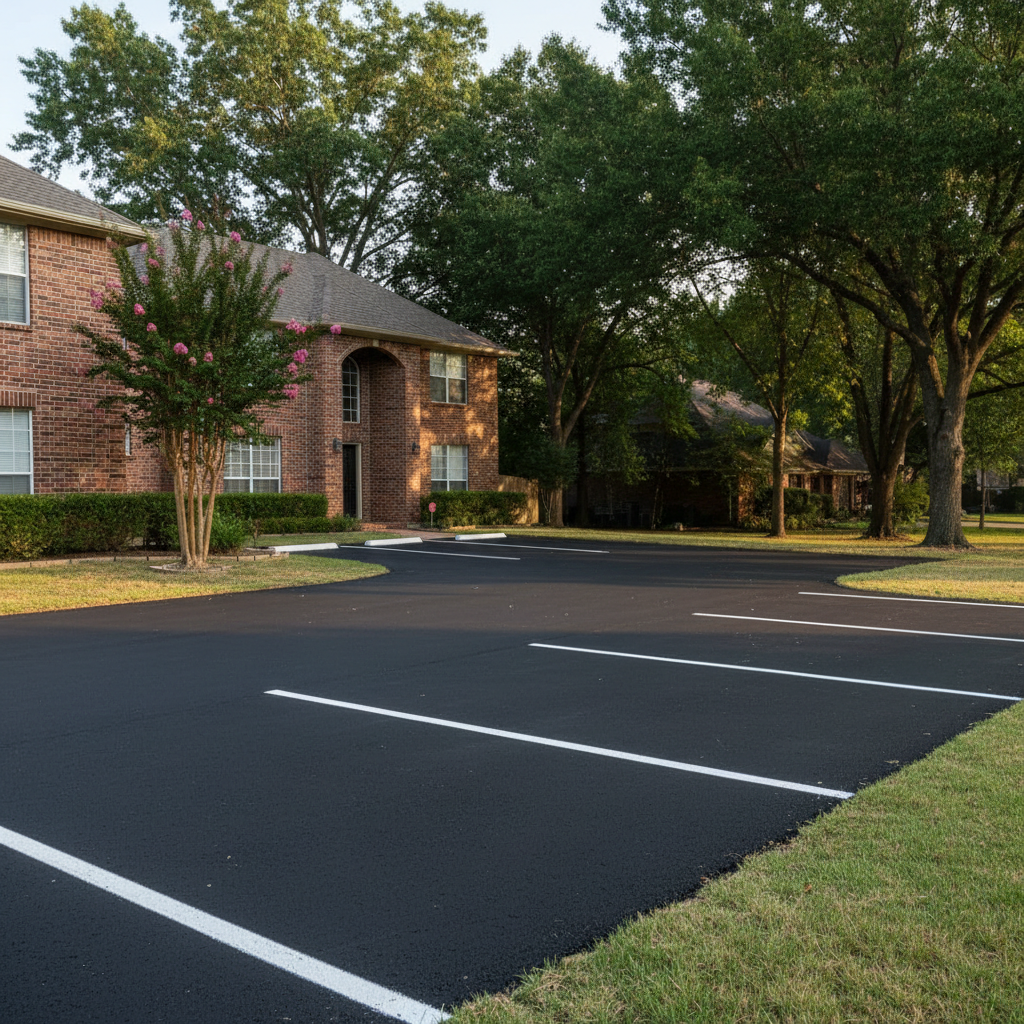
When's the best time to pave a parking lot here in Irving? That's a question I hear a lot, and it's a good one, really. You might think asphalt is asphalt, but the truth is, our Texas climate plays a huge role in how well your paving project turns out and how long it lasts.
Irving's Climate & Your Paving Project: What You Need to Know
Our weather here in Irving isn't like up north. We don't get deep freezes, sure, but we definitely get scorching summers and some pretty wild temperature swings. Oh, and don't forget the occasional torrential downpour. These aren't just minor inconveniences; they directly impact the quality and durability of your asphalt.
Asphalt needs specific conditions to cure properly. It's not just about laying it down, you know? It's about the material bonding, compacting, and setting up just right. If the weather's too cold, the asphalt mix cools too fast, which makes it tough to compact properly. You'll end up with a weaker surface. If it's too hot, the asphalt can stay too soft for too long, making it susceptible to damage while it's curing, or even bleeding through the surface.
When to Schedule Your Paving: The Sweet Spot
From my experience, the sweet spot for asphalt paving in Irving is generally spring and fall. Think late March through May, and then again from late September through November. During these months, we usually get more moderate temperatures – not too hot, not too cold – and often less extreme rainfall than in the peak summer or winter.
- Spring (March-May): This is prime time. The ground has had a chance to dry out from any winter moisture, and the temperatures are consistently warm enough for the asphalt to be pliable during installation but cool enough to set up without issues. You're less likely to deal with the intense heat that can make working with asphalt a real challenge, both for the crew and the material itself.
- Fall (September-November): Another excellent window. The summer heat has broken, and we're usually still clear of any significant cold snaps. The ground temperatures are just right, and the overall conditions really help create a high-quality, long-lasting pavement.
What about summer? We can pave in the summer, but it comes with its own set of challenges. Those 100-degree days we get, especially in August, mean the asphalt mix is incredibly hot, and it stays hot. This can affect compaction and make the surface more prone to marking or damage before it fully cures. We've got ways to manage it, but it's not ideal. Winter? Forget about it. Once temperatures consistently drop below 50 degrees Fahrenheit, especially at night, it's just not worth the risk of a subpar job.
Weather Conditions to Watch Out For
Beyond just the temperature, a few other things can really throw a wrench in the works:
- Rain: You absolutely cannot pave over wet ground or during a downpour. Water gets trapped, weakens the base, and stops the asphalt from bonding properly. We'll always reschedule if rain is in the forecast.
- High Humidity: While not as critical as rain, very high humidity can sometimes affect the curing process, especially with certain types of asphalt mixes.
- Wind: Strong winds can cool the asphalt mix down too quickly, making it harder to work with and compact effectively.
Protecting Your Investment Year-Round
Once your new parking lot is down, your job isn't over. You've got to protect that investment, especially with our local conditions. Here's how:
- Sealcoating: This is your first line of defense. I recommend sealcoating about 6-12 months after installation, and then every 2-3 years after that. It protects against UV rays, water penetration, and spills. The sun here in Irving, baking down on black asphalt, is brutal. Sealcoat is like sunscreen for your pavement.
- Crack Sealing: As soon as you see cracks, get 'em filled. Even small cracks can let water seep down to the base layer, and that's where the real damage starts. Our expansive clay soils here, like what you find in the Valley Ranch area, can shift a bit, which sometimes contributes to cracking. Sealing them promptly stops the problem from getting worse.
- Drainage: Make sure your drainage is working right. Standing water is the enemy of asphalt. If puddles are forming, they'll eventually degrade the surface and base.
- Regular Cleaning: Keep it free of debris, oil spills, and chemicals. These can break down the asphalt binder over time.
Taking these steps will help you get the maximum lifespan out of your parking lot. It's all about proactive maintenance, isn't it? We've seen firsthand at All Star Paving how a little care goes a long way in keeping your asphalt looking good and performing well for years to come.