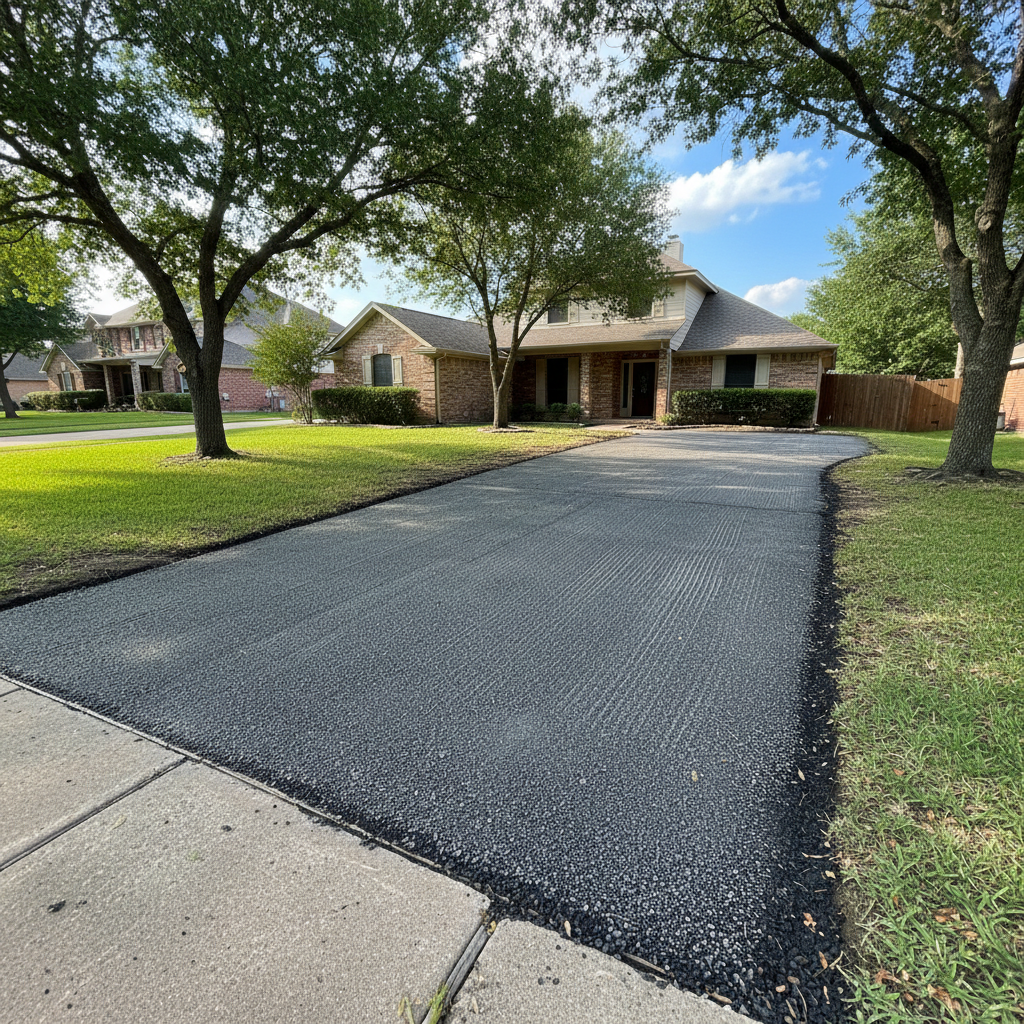
What's the Deal with Asphalt Milling?
So, your asphalt driveway has definitely seen better days, hasn't it? Maybe it's got some serious cracks, ruts, or it's just gotten too high from years of overlays. You're probably thinking about tearing the whole thing out, but wait a minute. Milling might actually be a much better option for you.
It's basically like shaving off the very top layer of your existing asphalt, leaving a fresh, stable base ready for a new overlay. Often, it's more budget-friendly and even better for the environment than a complete removal, especially since we can recycle all that old material.
But here's the real trick: getting it done right means understanding the seasons here in Irving. You can't just mill any old time and expect the best results, you know? I've seen too many folks rush into this without thinking about the weather, and that just sets you up for problems down the road.
When's the Best Time to Mill in Irving?
When it comes to asphalt work, temperature really is king. For milling, we're looking for that sweet spot where it's not too hot and not too cold. Here in Irving, that usually means spring and fall are your prime seasons.
- Spring (March-May): This time is often perfect. The ground has thawed, temperatures stay consistently mild, and we're usually past the worst of the winter rains. The asphalt is more pliable then, making it easier to mill precisely, and the new overlay will cure beautifully without extreme heat or cold shock.
- Fall (September-November): Another fantastic window. The summer heat has finally died down, but we haven't hit those freezing temperatures yet. This allows for good compaction and proper curing of any new asphalt that goes down after the milling.
Summer can be a bit tricky. Sure, we can certainly mill in the summer, but the extreme heat we get here in North Texas – those 100-degree days are absolutely no joke – can make the asphalt very soft. This sometimes causes issues with the milling machine's precision or even how the underlying base reacts. Plus, working in that kind of heat is tough on the crew, and we always want to make sure everyone's safe and doing their best work. Winter? Forget about it. Freezing temperatures make asphalt brittle and tough to mill correctly, and you definitely don't want to be putting down new asphalt when it's that cold.
Weather Conditions That Matter
Beyond just the season, specific weather conditions on the day of the job are super important. We're always glued to the forecast, and you should be too if you're planning work.
- Dry Conditions: This is non-negotiable. We need dry pavement for milling. Water can mess with the milling process, make cleanup a lot harder, and if we're putting down a new layer right after, it's absolutely critical that the base is dry for proper adhesion.
- Moderate Temperatures: Like I said, not too hot, not too cold. We're talking generally between 50°F and 90°F for optimal milling and the paving that comes next.
- No Imminent Rain: Even if it's dry when we start, a big rainstorm rolling in right after milling can cause real problems. The exposed milled surface is much more vulnerable to water getting in, which can compromise the sub-base if it sits too long before the new asphalt goes down.
Protecting Your Investment Year-Round
Once you've had your asphalt milled and a new layer put down, you've made a significant investment. You want it to last, right? Here's how to keep it in top shape, especially with our crazy Irving weather, from the scorching summers to the occasional ice storm.
- Proper Drainage: This is huge. Make sure water isn't pooling anywhere on your driveway. Our clay soils here in Irving can swell and shrink with moisture changes, and standing water on asphalt is a recipe for cracks and potholes. If you notice puddles, get them addressed quickly.
- Sealcoating: About 6-12 months after your new overlay (check with us for the exact timing based on the material we use), you'll want to sealcoat. This protects the asphalt from UV rays, water getting in, and chemicals. Think of it as sunscreen for your driveway. We recommend sealcoating every 2-3 years after that.
- Prompt Repairs: Don't let small cracks turn into big problems. If you spot a crack forming, get it filled quickly. It's much cheaper and easier to fix a small crack than to deal with a pothole or a whole section needing repair, believe me.
- Keep it Clean: Sweep off debris, leaves, and dirt regularly. These can trap moisture and speed up deterioration. Also, be mindful of oil or gas spills; clean them up immediately to prevent damage.
Look, your driveway is one of the first things people see when they come to your home. Taking care of it, especially after a major job like milling, just makes good sense. If you're in Irving and thinking about getting your asphalt milled, give us a call at All Star Paving. We'll come out, take a look, and give you honest advice on the best way to tackle it, always keeping our local conditions in mind.