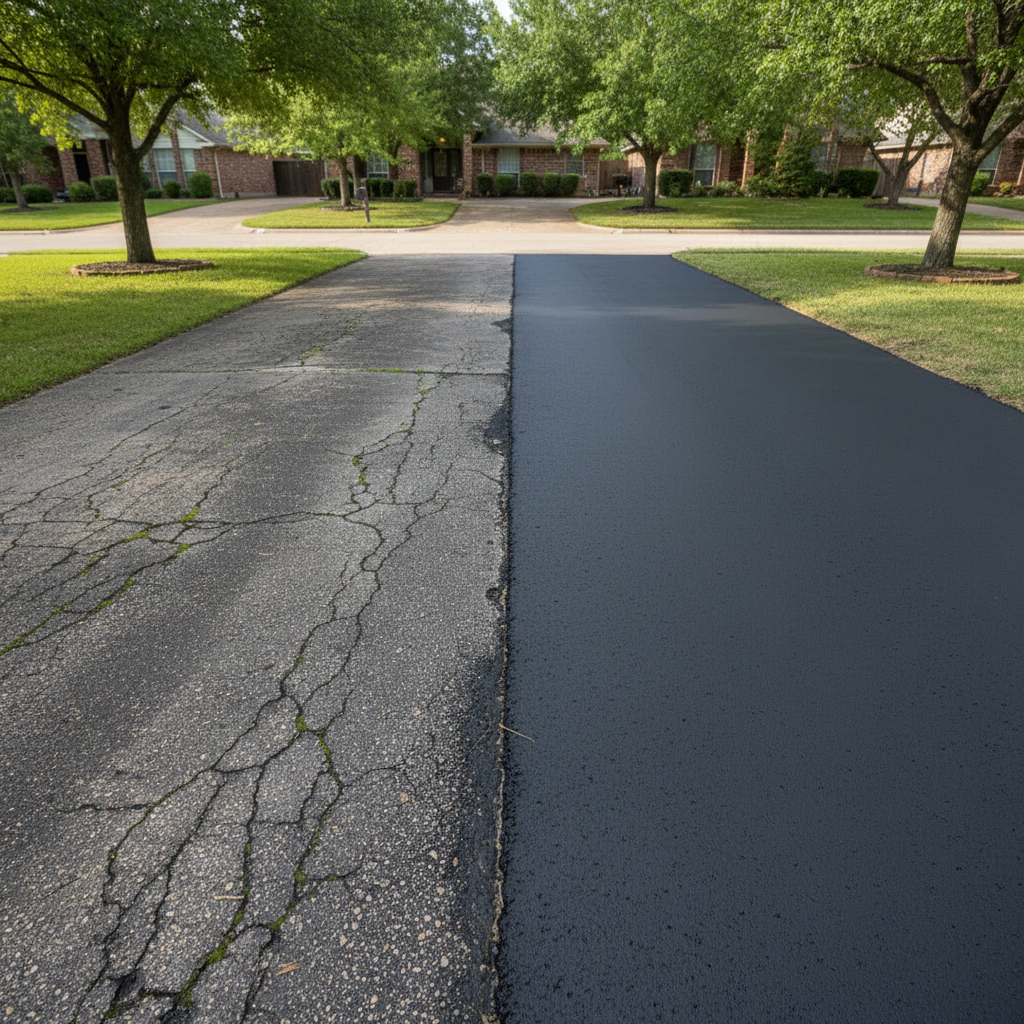
Alright, let's talk about paving. If you've got a decent-sized area you need paved – maybe a shared parking space, a long driveway, or even a private court – you're probably weighing your options. The big two are always asphalt and concrete. And honestly, there's no single 'best' answer; it really depends on what you need and what you're willing to put into it. As someone who's laid a lot of both here in Irving, I've seen the good, the bad, and the ugly of both materials firsthand.
Initial Cost: What's Your Budget Looking Like?
Let's get right to it: asphalt is almost always cheaper upfront. You're generally looking at a lower cost per square foot for the material and installation. That's because asphalt is a petroleum product, and while oil prices fluctuate, it's still usually more economical to produce and install than concrete. For a homeowner or a small business looking to pave a parking area, that initial cost difference can be pretty significant. If budget is your absolute top priority and you need a large area covered, asphalt usually wins this round hands down.
Durability and Lifespan: How Long Will It Last?
Now, this is where things get interesting, especially in a place like Irving. Concrete is known for its strength and rigidity. It can handle heavy loads really well, and if it's installed correctly with proper rebar or mesh, it can last a very long time – 30 to 40 years isn't uncommon. The downside? Concrete cracks. And once it cracks, it's a real pain to repair seamlessly. Our expansive clay soils here in North Texas, especially in older neighborhoods like those around the Heritage District, are notorious for shifting. This movement can put a lot of stress on rigid concrete, leading to more cracking over time.
Asphalt, on the other hand, is flexible. It's designed to give a little, which helps it resist cracking from ground movement. It's also great at handling temperature swings, which we certainly get here in Texas. A well-maintained asphalt surface can easily last 15-20 years, sometimes more. It's not as rigid as concrete, so it might not handle constant, extremely heavy point loads as well without rutting, but for typical vehicle traffic, it holds up great.
Maintenance: How Much Work Are You Up For?
This is a big one, because it directly impacts the *true* long-term cost. Concrete is pretty low maintenance day-to-day. You'll want to clean it occasionally, and if you get oil stains, they can be tough to remove. But beyond that, you're mostly just waiting for cracks to appear, and then you're looking at more involved repairs like filling or even replacing sections. Sealing concrete isn't as common or as critical as it is with asphalt.
Asphalt needs more regular attention, but it's generally easier and cheaper to maintain. The big thing with asphalt is sealcoating. You should plan to sealcoat your asphalt every 2-3 years. This protects the surface from UV rays, water penetration, and chemicals, keeping it looking good and extending its life significantly. It's a proactive measure that really pays off. Plus, small cracks in asphalt are much easier and cheaper to repair than concrete cracks. We do a lot of crack filling at All Star Paving, and it truly makes a difference.
Appearance: What Look Do You Prefer?
Aesthetics matter, right? Concrete gives you that bright, clean, light gray look. It can be stamped or stained to mimic other materials, offering a lot of design versatility. For a very modern or specific architectural style, concrete might be the preferred choice.
Asphalt offers a deep, rich black finish when it's new and properly sealcoated. This dark color can actually help melt ice and snow faster in the winter, though that's less of a concern for us here in Irving than, say, up north. Over time, if not sealcoated, asphalt can fade to a dull gray. But with regular sealcoating, it keeps that sharp, dark appearance many people prefer, especially for larger parking areas where a uniform, professional look is desired.
My Recommendation for Irving Homeowners
Considering our local conditions – the expansive clay soils, the hot Texas sun, and the need for cost-effective, durable solutions – I generally lean towards asphalt for most parking lot or large driveway applications for homeowners here in Irving. The flexibility of asphalt handles our shifting ground better, and while it requires regular sealcoating, that maintenance is typically less disruptive and more affordable than major concrete repairs.
Yes, concrete is tough, but the potential for cracking due to our soil conditions can lead to expensive, unsightly repairs down the road. Asphalt's lower upfront cost combined with its easier, more forgiving maintenance schedule often makes it the smarter long-term investment for residential properties and smaller commercial lots in our area. You get a great-looking, functional surface without breaking the bank or constantly worrying about foundation issues underneath.
Still Not Sure?
If you're still on the fence, give us a call. We're All Star Paving, and we've been doing this for a long time. We can come out, look at your specific property, and give you an honest assessment based on what you need and what makes the most sense for your budget and the ground you're building on. No pressure, just good advice from folks who know Irving paving.