Alright, let's talk about asphalt repair. I get a lot of calls from folks around Irving, whether they're in Las Colinas or over by the Heritage District, and usually, they've got a few common questions once they see cracks or potholes popping up. It's not always clear what needs doing, or why. So, I figured I'd lay out some of the most frequent questions I hear and give you the straight scoop.
What's the difference between crack sealing and patching?
This is a big one. Think of crack sealing as preventative maintenance, kind of like getting an oil change for your car. We fill those small, hairline cracks – usually less than half an inch wide – with a hot, rubberized sealant. This stops water from getting down into your sub-base, which is crucial. Water is asphalt's worst enemy; it expands when it freezes, contracts when it thaws, and just generally wreaks havoc, especially with our crazy Texas weather swings. Sealing those cracks keeps your asphalt flexible and extends its life significantly.
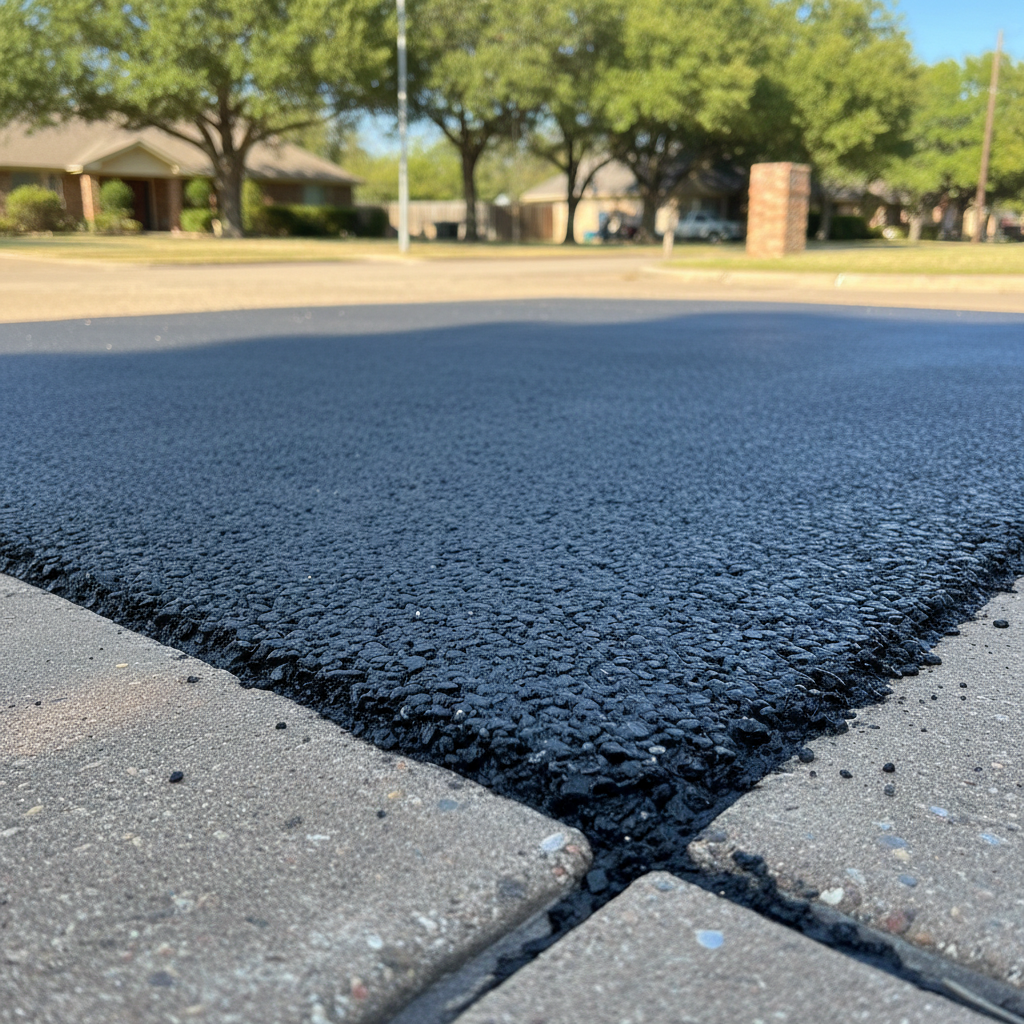
Patching, on the other hand, is for when you've got bigger problems. We're talking about potholes, alligator cracking (where it looks like a reptile's skin), or areas where the asphalt has completely broken apart. For a patch, we'll cut out the damaged section, remove the old material, prepare the base, and then lay down new hot asphalt. It's a more involved process because the damage is more extensive. You can't just seal a pothole; it needs a proper repair.
How long does an asphalt repair typically last?
That's a 'how long is a piece of string?' question, honestly, but I can give you some realistic expectations. A good crack seal, done correctly with quality material, can easily last 3-5 years, sometimes longer, depending on traffic and how well the rest of your pavement is maintained. It's not a permanent fix, but it's a very effective way to buy you a lot more time.
For patching, if it's done right – meaning the underlying cause of the damage was addressed, the base was prepped well, and quality asphalt was used – a patch can last 5-10 years, or even longer. The key is 'done right.' If a patch fails quickly, say within a year or two, it's usually because the base wasn't stable, or water got underneath it again. We always aim for a repair that blends in and holds up, not just some temporary cover-up.
When should I consider repair versus a full replacement?
This is where my experience really comes in handy. If your asphalt has isolated cracks, a few potholes, or some minor surface deterioration, repairs are absolutely the way to go. It's much more cost-effective. We're talking about extending the life of your existing driveway or parking lot without tearing everything out.
You start looking at replacement when the damage is widespread and structural. If more than 25-30% of your asphalt surface is showing severe alligator cracking, significant heaving, or multiple deep potholes that go through to the base, then you're probably past the point where repairs are economical. At that point, you're just chasing problems, and the cost of repeated repairs will quickly approach or even exceed the cost of a new installation. Sometimes, especially with the expansive clay soils we have here in Irving, the base itself might be failing, which pretty much always means a full rebuild is the only lasting solution.
Can I just fix it myself?
Look, for a tiny, tiny hairline crack, maybe you can get a tube of crack filler from the hardware store and give it a shot. But for anything beyond that, I strongly advise against it. Asphalt repair isn't just about throwing some black stuff down. It requires specific equipment – like hot rubberized sealants that need to be heated to over 350 degrees, or compactors for proper asphalt compaction. Without the right tools and know-how, you're likely to end up with a repair that fails quickly, looks bad, and ultimately costs you more when you have to call in the pros anyway.
Plus, safety is a big factor when working with hot materials and heavy equipment. It's just not worth the risk or the wasted effort for most homeowners.
How long until I can drive on a repaired area?
This depends on the type of repair. For crack sealing, you can usually drive on it within an hour or two. The sealant cools and sets pretty quickly. We'll often put down a fine sand or blotter material to prevent tracking, but it's a fast turnaround.
For a hot asphalt patch, it's a bit longer. While the asphalt cools relatively fast, it takes time for it to fully cure and harden. We usually recommend staying off a freshly patched area for at least 24 hours, and sometimes up to 48 hours, especially if it's a high-traffic spot or a larger patch. The goal is to let it set up properly so it can handle the weight and wear of vehicles without deforming.
What should I look for in an asphalt repair contractor?
You want someone who's got a good track record, plain and simple. Check their references, look at their reviews, and make sure they're properly insured. Ask about their process for repairs – do they clean the cracks thoroughly before sealing? Do they properly excavate and prepare the base for patches? A good contractor won't cut corners on prep work, because that's where the longevity of the repair really comes from.
Also, get a clear, written estimate that details the scope of work, materials used, and timeline. Don't just go for the cheapest bid; sometimes that means they're skimping on materials or labor, and you'll pay for it down the road. Here at All Star Paving, we pride ourselves on transparent communication and doing the job right the first time. We've been working on driveways and parking lots all over Irving for years, and we know what it takes to make repairs last in this climate.