You're probably here because you've got some questions about asphalt milling, especially how it applies to your home right here in Irving. It's a pretty smart process, and one we use quite a bit, but it's not always clear what it is or if it's the right choice for your driveway. Let's dig into what I hear most often from folks like you.
What exactly is asphalt milling? Is it just grinding up old pavement?
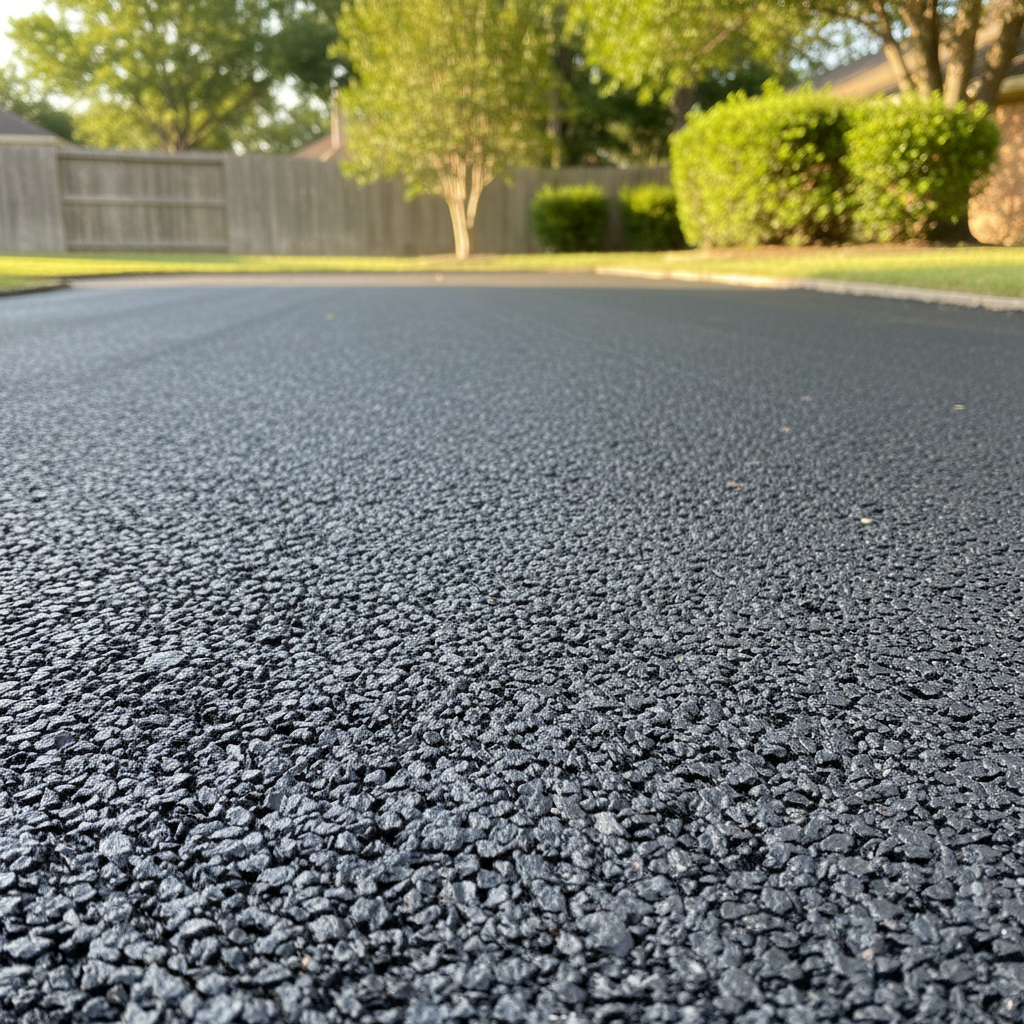
That's a good way to put it, yeah. Asphalt milling, sometimes called cold planing or cold milling, is basically when we remove the top layer of an existing asphalt surface. We use specialized equipment with a big rotating drum that has a bunch of cutting teeth. This drum grinds up the old asphalt to a specific depth, leaving behind a textured surface. It's not just random grinding, either; we control the depth very precisely. After that, we collect all that ground-up material, which we call Reclaimed Asphalt Pavement, or RAP for short.
Why would I choose milling over just repaving my whole driveway?
There are a few big reasons. First off, cost. Milling is often more budget-friendly than a full tear-out and replacement because you're not paying to haul away all that old material, and you're not starting completely from scratch with a new base. Second, it's efficient. We can often mill and repave a driveway much faster than a full reconstruction. Third, it's environmentally friendly. That RAP material? We can reuse it in new asphalt mixes, which cuts down on waste and the need for new materials. For a lot of driveways, especially if the base layer is still solid, milling lets us fix surface issues like cracks, ruts, or uneven spots without tearing up what's already working underneath. Pretty neat, right?
How deep do you usually mill for a residential driveway?
For most residential driveways, we're typically talking about milling off anywhere from 2 to 4 inches of the existing asphalt. The exact depth depends on your current driveway's condition and what we're trying to achieve. If you've got some deep ruts or extensive cracking, we might go a bit deeper to get past that damaged layer. If it's just surface deterioration, a shallower mill might do the trick. We'll always assess your specific situation during an estimate to recommend the right depth. The goal, always, is to remove the compromised surface while preserving a stable base.
What happens to the milled material? Can I keep it?
The milled material, that RAP I mentioned, gets collected by our equipment. Most of the time, All Star Paving takes it back to be recycled. It's actually a valuable resource for making new asphalt or for use as a base material in other construction projects. Sometimes, if a homeowner has a specific need for it—like filling in a low spot on their property or for a temporary gravel path—we might be able to leave some behind. But generally, it's part of our recycling process. It's not really suitable for a finished surface on its own; it's more like a coarse gravel.
Will milling fix all my driveway problems, like drainage issues?
Milling primarily addresses surface problems. It's fantastic for getting rid of cracks, potholes, ruts, and general surface deterioration. If your driveway is holding water because the surface is uneven, milling and then repaving can definitely help correct those surface-level drainage problems by allowing us to create a proper slope for water runoff. However, if your drainage issues stem from a failing sub-base or a fundamental problem with your property's grading, milling alone won't fix that. We'd need to address those deeper issues first, which might involve some base repair or even a full reconstruction in certain areas. For example, if you've got a section of your driveway in an older Irving neighborhood that's constantly sinking due to poor soil compaction from decades ago, milling won't solve that underlying instability. We'd have to look at the whole picture there.
How long does a milled and repaved driveway last?
A properly milled and repaved asphalt driveway, when done right, should give you a good 10 to 15 years, sometimes even longer, especially with good maintenance. The key is that 'properly done' part. It relies on having a solid base underneath and then applying a quality new layer of asphalt. Regular maintenance, like sealcoating every few years and promptly addressing any small cracks, will significantly extend its lifespan. Think of it like this: you're giving your driveway a fresh, strong skin, but the bones underneath need to be healthy too.
Is milling a messy process for my property?
We do our best to keep things tidy. There's definitely dust involved, as you're grinding up asphalt, but our milling machines are designed to collect the bulk of the material. We'll take precautions to protect nearby landscaping and your property. You'll see us sweeping and cleaning up the area thoroughly once the milling is complete. It's not like a full demolition where debris is flying everywhere, but it's also not a dust-free operation. We'll communicate with you about what to expect and how we'll manage the site to minimize disruption.
Can I drive on the milled surface before it's repaved?
Technically, yes, you can drive on a milled surface. It's a rough, textured surface, almost like a very coarse gravel. It's not ideal for long-term driving, and it can be a bit bumpy or dusty, but for short periods, like getting your car in or out of the garage, it's usually fine. We generally recommend minimizing traffic on it and certainly wouldn't suggest leaving it that way for an extended period. The goal is to get that new asphalt layer down as soon as possible after milling to protect the base and give you a smooth, durable surface.